


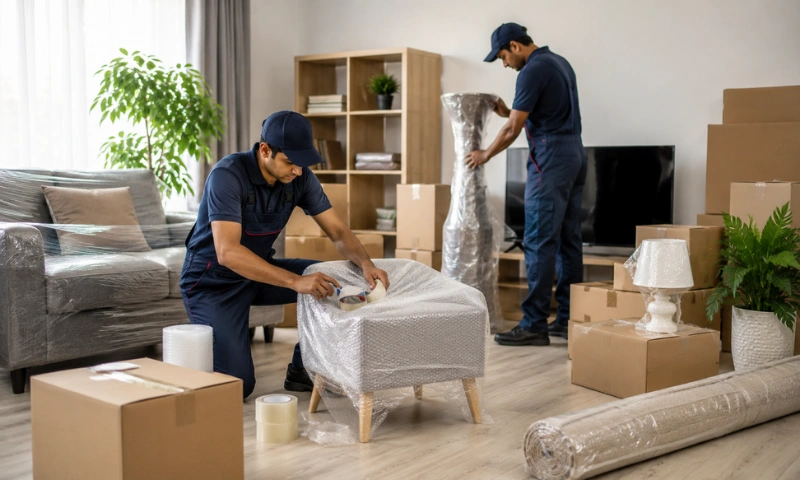
Moving out for the first time is exciting, but it can also feel stressful. Many people worry about forgetting important tasks, overspending, packing incorrectly, or struggling to settle into a new place. Without a clear plan, moving day can quickly become overwhelming and leave you dealing with unnecessary problems.
The good news is that a little preparation can make a huge difference. Following a proper first time moving out checklist helps you stay organized, avoid common mistakes, and enjoy a smoother transition into your new home. This guide covers everything you need to know before, during, and after your move.
If you’re moving to another city for work, study, or a fresh start, working with professional long distance movers can make the transition much easier.
First Time Moving Out Checklist: 15 Things to Check Off

To make your move easier, we’ve created this simple first time moving out checklist. Follow these steps to stay organized and enjoy a smoother moving experience.
1. Create a Moving Budget
Before you start packing, take time to create a budget for your move. Knowing your expected expenses can help you avoid financial surprises and make better decisions throughout the moving process.
Your moving budget should include:
• Rent and bond payments: Set aside money for upfront housing costs before moving in.
• Utility setup fees: Account for expenses related to connecting electricity, water, internet, and other services.
• Packing and moving costs: Include the cost of boxes, packing materials, transportation, and moving services if needed.
A clear budget helps you stay prepared and keeps your move financially manageable.
2. Choose Your Moving Date Early
Choosing your moving date early helps you stay organized and gives you enough time to prepare for the move. It also makes it easier to coordinate important tasks and avoid last-minute stress.
Your moving date checklist should include:
• Confirm your move in date: Make sure you know when you can access your new home.
• Request time off work if needed: This allows you to focus on moving day without distractions.
• Book moving services early: Early booking helps secure your preferred moving date.
Planning ahead can save time, reduce stress, and make your move much smoother.
3. Declutter Before Packing
Before you start packing, go through your belongings and decide what you actually want to take with you. Moving unnecessary items can increase packing time, moving costs, and clutter in your new home.
Your decluttering checklist should include:
• Donate unused clothing: Give away clothes, shoes, and accessories you no longer wear.
• Sell unwanted furniture: Consider selling items that won’t fit or aren’t needed in your new space.
• Recycle old paperwork: Safely recycle documents and papers you no longer need to keep.
• Throw away broken items: Get rid of damaged or unusable items that serve no purpose.
The fewer items you move, the easier and more organized your move will be.
4. Book Professional Movers
Hiring professional movers can save you time, effort, and stress during your move. Booking early also gives you a better chance of securing your preferred moving date, especially during busy periods.
When choosing a moving company, consider:
• Local moving services: If you’re moving within the city, hiring professional house movers in Auckland residents trust can make the process faster and less stressful.
• Long distance moving services: If you’re relocating to another city, hiring experienced long distance movers can help ensure your belongings arrive safely and on schedule.
• Reviews and quotes: Compare customer reviews and request quotes to find a reliable moving company.
Booking professional movers in advance can help ensure a smoother and more organized moving experience.
5. Gather Packing Supplies
Having the right packing materials can make the moving process much easier and help protect your belongings from damage. Gathering supplies early also gives you enough time to pack without feeling rushed.
Your packing supplies checklist should include:
• Moving boxes: Use sturdy boxes in different sizes for various household items.
• Packing tape: Strong tape helps keep boxes securely sealed during transport.
• Bubble wrap: Protect fragile items such as glassware, electronics, and decorations.
• Labels: Label boxes by room to make unpacking more organized.
• Markers: Use markers to clearly identify the contents of each box.
Collecting packing supplies several weeks before moving day can help you stay organized and pack more efficiently.
6. Start Packing Non-Essential Items
Packing can feel overwhelming if you leave everything until the last minute. Starting with items you don’t use regularly allows you to make steady progress and reduces stress as moving day gets closer.
Your non essential packing checklist should include:
• Seasonal clothes: Pack clothing that won’t be needed before your move.
• Books: Box up books, magazines, and other reading materials you rarely use.
• Decorations: Pack artwork, ornaments, and decorative items early.
• Storage items: Move items stored in closets, garages, or spare rooms into boxes.
Packing non-essential items first helps spread the workload over several weeks and makes the final days before your move much easier.
7. Label Every Box Clearly
Labeling your boxes may seem like a small task, but it can make a big difference when it’s time to unpack. Clear labels help you find important items quickly and ensure boxes are placed in the correct rooms.
Your box labels should include:
• Room name: Write the room where the box belongs, such as kitchen, bedroom, or bathroom.
• Contents: Add a brief description of what’s inside to make unpacking easier.
• Fragile warnings: Clearly mark boxes containing delicate items that require extra care.
Taking a few extra seconds to label each box can save hours of searching and unpacking later.
8. Update Your Address
Updating your address is an important task that many first-time movers overlook. If you forget to notify important organizations, you could miss bills, bank statements, or other essential documents.
Your address update checklist should include:
• Banks: Update your address to ensure you continue receiving account-related information.
• Employer: Make sure your workplace has your current contact details on file.
• Insurance providers: Inform your insurance company about your new address.
• Government agencies: Update any official records that require your current address.
• Subscription services: Change your address for online orders, memberships, and regular deliveries.
Keeping your address updated helps ensure important mail and documents reach your new home without delays.
9. Arrange Utility Connections
Setting up utilities before moving day can help you settle into your new home without unnecessary delays. The last thing you want is to arrive and find that essential services are not available.
Your utility setup checklist should include:
• Electricity: Arrange connection so power is available from your move-in date.
• Water: Ensure your water service is active before you arrive.
• Internet: Schedule installation or transfer your existing service if possible.
• Gas: Set up your gas connection if your new home requires it.
• Waste collection: Check local rubbish and recycling collection schedules.
Arranging utilities in advance helps make your first few days in your new home much more comfortable.
10. Pack an Essentials Box
Moving day can be busy and tiring, so it’s a good idea to keep important items separate from the rest of your belongings. An essentials box ensures you have everything you need without searching through multiple boxes.
Your essentials box should include:
• Phone charger: Keep your devices charged so you can stay connected throughout the move.
• Toiletries: Pack daily necessities such as a toothbrush, toothpaste, and soap.
• Medications: Keep any prescription or essential medications within easy reach.
• Important documents: Store identification, rental agreements, and other important paperwork safely.
• Change of clothes: Have fresh clothes available for your first day or night.
• Snacks and water: Keep refreshments nearby to stay energized during the move.
Preparing an essentials box can make your first night in your new home much more comfortable and stress-free.
11. Clean Your Current Home
Before you leave your old home, take some time to clean the property thoroughly. A clean home creates a good impression and can help you avoid issues when handing over the keys.
Your cleaning checklist should include:
• Vacuum floors: Remove dust, dirt, and debris from carpets and hard floors.
• Wipe surfaces: Clean countertops, shelves, and other commonly used surfaces.
• Empty cupboards: Check all cupboards, drawers, and storage spaces for forgotten items.
• Remove rubbish: Dispose of any remaining trash and unwanted items before leaving.
Leaving the property clean can help protect your bond refund and make the move-out process smoother.
12. Confirm Moving Day Details
A few days before your move, take time to review all arrangements and make sure everything is in place. Confirming important details in advance can help prevent delays and unnecessary stress on moving day.
Your moving day checklist should include:
• Confirm moving time: Check the scheduled arrival time with your moving company.
• Verify addresses: Make sure both the pickup and delivery addresses are correct.
• Check parking access: Ensure there is enough space for the moving vehicle to load and unload.
• Save important contact numbers: Keep the contact details of movers, landlords, and other key contacts easily accessible.
A quick review before moving day can help everything run more smoothly and avoid last-minute surprises.
13. Do a Final Walkthrough
Before you leave your current home for the last time, take a few minutes to inspect every room. It’s easy to overlook small items during a busy move, especially when most of your belongings have already been packed.
Your final walkthrough checklist should include:
• Closets: Check for clothing, shoes, or other items left behind.
• Drawers: Open all drawers to make sure they are completely empty.
• Garage: Look for tools, equipment, or storage boxes that may have been forgotten.
• Storage areas: Inspect sheds, attics, basements, and other storage spaces.
A final walkthrough helps ensure you leave with everything and avoid returning for forgotten belongings.
14. Unpack Essential Rooms First
After arriving at your new home, it’s best to focus on the rooms you’ll need right away. Unpacking the essentials first can make your first day more comfortable and help you settle in without feeling overwhelmed.
Your unpacking checklist should include:
• Bedroom: Set up your bed and unpack basic clothing for a good night’s rest.
• Bathroom: Organize toiletries, towels, and other daily necessities.
• Kitchen: Unpack essential cookware, utensils, and food items you’ll need immediately.
Getting these key areas ready first can help make your new house feel like home much sooner.
15. Check Everything in Your New Home
Before you start unpacking all your belongings, take some time to inspect your new home. Checking everything early can help you spot any problems and get them resolved before they become bigger issues.
Your new home inspection checklist should include:
• Test lights: Make sure all light switches and fixtures are working properly.
• Check appliances: Test appliances to confirm they are functioning as expected.
• Verify internet connection: Ensure your internet service is active and working correctly.
• Ensure utilities are working: Check that electricity, water, and gas services are connected and operating normally.
Identifying any issues early can save time and make settling into your new home much easier.
Why Having a Moving Checklist Matters
A well planned moving checklist helps you stay organized throughout the entire process. Instead of trying to remember every detail at the last minute, you can follow a clear plan that keeps you on track and reduces unnecessary stress.
- Helps You Stay Organized: When you have a checklist, every task is written down in one place. This makes it easier to prioritize what needs to be done first and prevents important responsibilities from being overlooked.
- Reduces Last-Minute Stress: One of the biggest challenges first-time movers face is rushing to complete everything before moving day. A checklist allows you to spread tasks over several weeks, making the process much more manageable.
- Helps You Manage Your Budget: Moving often comes with unexpected expenses. By planning ahead and tracking tasks, you can estimate costs more accurately and avoid financial surprises along the way.
- Prevents Common Moving Mistakes: Simple mistakes like forgetting to transfer utilities, update your address, or pack essential items can create unnecessary problems after the move. A checklist serves as a reminder, helping you avoid these common oversights.
By following a structured moving plan, you’ll feel more confident and prepared as moving day approaches. A little organization today can save you a lot of stress later and help make your first move a much smoother experience.
Conclusion
Moving out for the first time can feel overwhelming, but having a clear checklist makes the process much easier to manage. From creating a budget and packing efficiently to setting up utilities and inspecting your new home, each step plays an important role in ensuring a smooth move. By planning ahead and staying organized, you can avoid common moving mistakes and settle into your new home with confidence.
If you need professional help with your move, Faithway Movers is here to assist. Whether you’re looking for reliable house movers Auckland residents trust or experienced long distance movers for a relocation across New Zealand, our team is ready to help. Contact us today for a free quote and let us make your move simple, stress-free, and efficient.

