


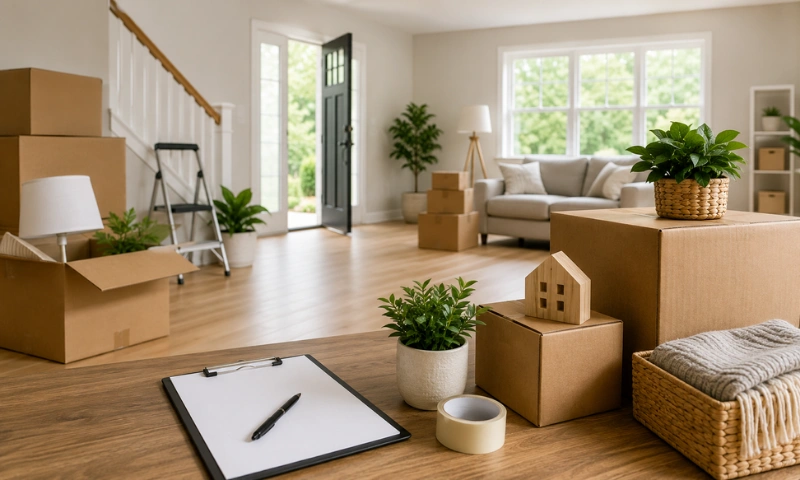
Moving day is finally behind you, but the work doesn’t stop once the last box is inside your new home. Between unpacking, checking your belongings, setting up utilities, and getting organised, it’s easy to feel unsure about what to do next. Many people focus on unpacking straight away and accidentally overlook important tasks that can make settling in much easier.
The good news is that a little planning goes a long way. Having a simple checklist helps you stay organised, prioritise the most important jobs, and avoid unnecessary stress during your first few days. In this guide, we’ll walk you through the essential things to do after moving into a new house, helping you turn your new place into a comfortable, organised home with confidence.
Why Your First Few Days Matter

The first few days in a new home set the foundation for a smooth and comfortable start. Taking care of a few important tasks early can help you settle in faster, stay organised, and avoid unnecessary stress as you adjust to your new surroundings.
- Reduces stress: Having a clear plan helps you focus on one task at a time instead of feeling overwhelmed by everything that needs to be done. It also makes the unpacking process more manageable.
- Helps you settle in faster: Unpacking your essentials, arranging furniture, and setting up key areas of your home early allows you to get back to your normal routine much sooner.
- Keeps your home organised: Putting items in their proper place from the beginning saves time later and makes it easier to find what you need without searching through multiple boxes.
- Prevents small problems from becoming bigger ones: Checking utilities, testing appliances, and inspecting your belongings soon after moving in allows you to spot any issues early before they become more difficult or expensive to fix.
It helps you settle into your new home with confidence and enjoy your new surroundings much sooner.
Things to Do After Moving Into a New House
Taking care of a few important tasks in the right order will help you settle in more quickly and keep everything organised from the beginning.
Unpack Your Essentials First
Before opening every box, unpack the items you’ll need for your first day or two. Having these essentials within easy reach makes your first night much more comfortable.
- Toiletries: Keep items like toothpaste, soap, shampoo, and towels accessible.
- Medication: Store prescription medicines and first aid supplies in a safe place where they’re easy to find.
- Chargers: Unpack phone, laptop, and other electronic chargers so your devices stay powered.
- Kitchen basics: Set aside a few plates, cups, cutlery, and basic cooking utensils for simple meals.
- Bedding: Make your bed first so you have a comfortable place to rest after a long moving day.
Check Your Belongings
Before throwing away packing materials, take some time to inspect your belongings. Finding any issues early makes them much easier to resolve.
- Inspect boxes: Check that all boxes have arrived and compare them with your packing list if you created one.
- Check fragile items: Carefully unwrap glassware, electronics, artwork, and other delicate belongings to make sure they haven’t been damaged.
- Report any damage: If you notice damaged items, take photos and contact your moving company as soon as possible.
- Organise important items: Keep passports, legal documents, keys, and valuables together in a secure location.
Test Utilities and Appliances
Checking your home’s essential services early helps you avoid unexpected problems once you start settling in.
- Electricity: Test lights, power points, and electrical switches throughout the house.
- Water: Turn on taps and showers to make sure the water supply is working properly.
- Gas: If your home has a gas connection, check that appliances are operating safely.
- Internet: Connect your modem and confirm your internet service is working.
- Smoke alarms: Test every smoke alarm and replace batteries if needed to keep your home safe.
Update Your Address
Updating your address ensures you continue receiving important mail and services without interruption.
- Bank: Change your address for bank accounts and credit cards.
- Driver licence: Update your licence with the relevant transport authority if required.
- Insurance: Inform your insurance provider about your new address.
- Employer: Make sure your workplace has your updated contact details.
- Online shopping accounts: Update your delivery address for online retailers and subscription services.
Change Your Locks if Needed
If you’ve moved into an existing property, you may not know how many spare keys are still in circulation. Changing the locks or rekeying them provides added security and gives you confidence that only your household has access to the property.
Clean Before Fully Unpacking
Cleaning key areas before placing everything in its final position is much easier while rooms are still relatively empty.
- Kitchen: Wipe down benches, cupboards, and shelves before storing food and kitchenware.
- Bathrooms: Clean sinks, toilets, showers, and mirrors to freshen up the space.
- Cupboards: Remove dust from wardrobes, drawers, and storage cabinets before unpacking.
- Floors: Vacuum or mop each room so you can unpack into a clean and comfortable environment.
Arrange Furniture
Take a little time to plan where your larger furniture will go before unpacking every box. Positioning beds, sofas, tables, and storage units first makes it easier to organise the rest of your belongings and prevents unnecessary lifting later.
Meet Your Neighbours
Getting to know your neighbours is a great way to feel more connected to your new community.
- Introduce yourself: A simple greeting can help build a friendly relationship from the start.
- Learn about the area: Ask about local parks, shops, schools, or nearby services.
- Get helpful local information: Your neighbours may be able to recommend trusted tradespeople, waste collection days, or other useful community information.
By getting organised early, you’ll find unpacking easier and enjoy your new surroundings much sooner.
Common Things People Forget After Moving

Taking care of these smaller jobs early can help you avoid inconvenience, improve safety, and make settling into your new home much easier.
- Register with a new doctor: If you’ve moved to a different area, register with a nearby doctor or healthcare provider so you’re prepared if you need medical care.
- Locate the main water shut-off valve: Knowing where the main water valve is can save valuable time if you ever have a plumbing emergency or water leak.
- Test smoke and carbon monoxide alarms: Make sure all alarms are working properly and replace the batteries if needed. This is a simple step that helps keep your household safe.
- Replace air conditioner filters: If your new home has an air conditioning or heating system, replacing the filters can improve air quality and help the system run more efficiently.
- Dispose of packing materials: Recycle or safely dispose of empty boxes, bubble wrap, and packing paper to free up space and keep your home tidy.
- Check outdoor lighting: Test exterior lights around entrances, pathways, and the garage to improve visibility and security during the evening.
- Set up home security: Install or activate security systems, video doorbells, or smart locks if available. Also, make sure all doors and windows lock properly.
- Update emergency contacts: Save the contact details of nearby emergency services, trusted neighbours, local tradespeople, and utility providers so they’re easy to access when needed.
Completing them early helps improve safety, keeps your home organised, and gives you greater peace of mind as you begin this new chapter.
When Should You Ask for Professional Moving Help?
While some moves can be managed on your own, there are situations where professional movers can save you time, reduce stress, and help protect your belongings.
- Large family moves: Moving an entire household often involves a large number of boxes, furniture, and personal belongings. Professional movers can help organise and transport everything more efficiently.
- Heavy furniture: Large items such as wardrobes, dining tables, sofas, and beds can be difficult to lift and move safely without the right equipment or experience.
- Fragile belongings: Glassware, mirrors, artwork, antiques, and electronics need careful handling to reduce the risk of damage during loading, transport, and unloading.
- Long-distance moves: Travelling a long distance requires careful planning and secure packing to ensure your belongings arrive safely at your new home.
- Busy schedules: If work, family responsibilities, or other commitments leave you with little time to organise your move, professional movers can handle the heavy lifting and logistics.
- Limited packing time: Packing an entire home takes longer than many people expect. Professional movers can help speed up the process while ensuring your belongings are packed securely.
Choosing experienced house movers in Auckland can make the transition to your new home much smoother, allowing you to focus on settling in rather than worrying about the move itself.
With experienced support, you can spend less time managing the move and more time enjoying your new home.
Quick New Home Checklist
This simple checklist can help you stay organised and make sure nothing important has been overlooked after moving in.
- Unpack essentials: Take out everyday items such as toiletries, medications, chargers, kitchen basics, and bedding so you can comfortably manage your first day and night.
- Inspect your belongings: Check your boxes and fragile items for any signs of damage, and make sure all your belongings have arrived safely.
- Test utilities: Confirm that your electricity, water, gas, internet, and other essential services are working properly.
- Update your address: Notify your bank, employer, insurance provider, government agencies, and online shopping accounts of your new address.
- Check locks: If you’ve moved into an existing home, consider changing or rekeying the locks to improve your home’s security.
- Clean key areas: Wipe down the kitchen, bathrooms, cupboards, and floors before fully unpacking your belongings.
- Arrange furniture: Position large furniture first to make unpacking easier and create a practical layout for each room.
- Meet your neighbours: Introduce yourself and get to know the people living nearby. They can often provide useful information about the local area and community.
- Dispose of empty boxes: Recycle or remove packing materials once you’ve finished unpacking to keep your new home clean and organised.
- Test smoke alarms: Check that all smoke alarms are working correctly and replace the batteries if needed to help keep your household safe.
Completing these simple steps early will make your new home feel more organised, comfortable, and ready to enjoy.
Conclusion
Moving into a new house is the beginning of an exciting new chapter, but taking the right steps after moving in can make all the difference. From unpacking your essentials and checking your belongings to testing utilities, updating your address, and organising your space, each task helps you settle in more comfortably. With a little planning and a clear checklist, you can avoid unnecessary stress and start enjoying your new home with confidence.
If you’re planning your next move and want a smooth, hassle-free experience, Faithway Movers is here to help. Our experienced team is committed to handling your belongings with care and making every stage of your move as easy as possible. Contact us today for a free quote and let us help you move into your new home with confidence and peace of mind.