


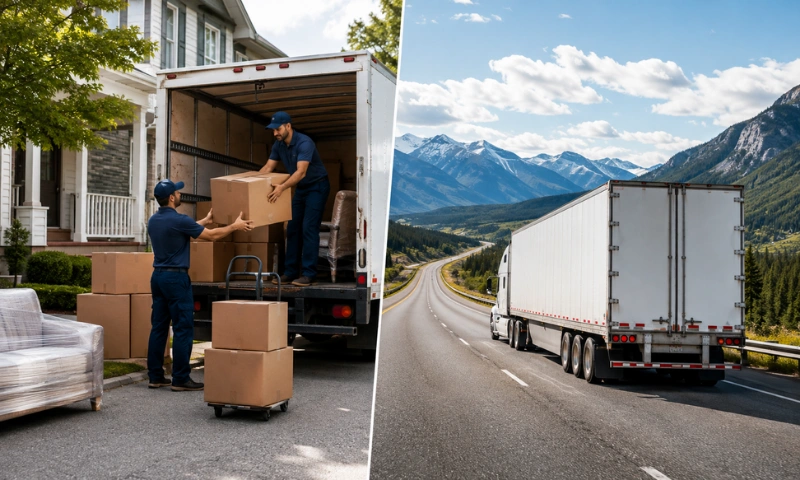
A local mover and a long-distance mover both involve packing, loading and transporting your belongings, but the planning and logistics can be quite different. The right moving service depends on factors such as the distance, amount of belongings, moving time and level of support you need.
Understanding the difference between local and long-distance movers can help you plan your relocation with greater confidence. In this guide, we’ll look at the main differences in cost, planning, packing, transportation and services so you can choose the option that best suits your move.
What Is a Local Move?
A local move is a relocation within the same general area, such as moving between nearby suburbs or neighbourhoods. These moves usually involve a shorter travel distance and can often be completed within a day, depending on the size of the move and the amount of belongings.
Local moves are generally easier to organise because the travel time is shorter and the moving schedule can be more straightforward. They can be a good option when moving to another home, apartment or rental property within the same city or nearby area.
What Is a Long-Distance Move?
A long-distance move involves relocating to a destination that is significantly farther away from your current home. Unlike a local move, it usually requires more travel time and careful coordination to make sure your belongings reach the new property safely and on schedule.
Long-distance moves often require more planning because of the increased travel distance. Factors such as the moving route, delivery timing, packing requirements and the amount of belongings being transported may all need to be considered before moving day.
Key Differences Between Local Movers vs Long-Distance Movers

The main differences between local and long-distance moving services come down to the distance, time required, cost, packing needs, services and planning involved. Understanding these factors can help you choose a moving service that suits your relocation.
1. Distance: Local vs Long-Distance Moves
Local Movers
Local movers usually handle shorter relocations within the same city or nearby areas. For example, moving between Auckland suburbs is generally a simpler journey with less travel time between the two properties.
Long-Distance Movers
Long-distance movers handle relocations that involve much greater travel distances, such as moving between Auckland and another city or region. These moves require more transportation time and coordination to get your belongings safely from one location to another.
2. Timeframe: How Long Does Each Move Take?
Local Movers
A local move can often be completed within a day, depending on the amount of furniture, the distance between properties and how prepared everything is before the movers arrive.
Long-Distance Movers
A long-distance move usually takes more time because your belongings need to travel much farther. Traffic, road conditions, travel distance and delivery arrangements can all affect the moving schedule.
3. Cost: What Affects Moving Prices?
Local Movers
The cost of a local move can depend on the size of the moving team, the time required, the distance travelled and the amount of furniture and belongings being moved.
Long-Distance Movers
Long-distance moving costs can involve additional factors such as travel distance, fuel, transportation time, packing requirements and any extra services you choose. Getting a detailed quote before the move can help you understand the expected costs.
4. Packing: How Much Protection Do You Need?
Local Movers
Local moves generally involve less time in transit, but your belongings still need to be packed and protected properly. Furniture wrapping, sturdy boxes and careful loading can help reduce the risk of damage.
Long-Distance Movers
For longer relocations, your belongings spend more time on the road, so secure packing becomes even more important. Fragile items may need additional wrapping and protection to help keep them safe throughout the journey.
5. Services: What Do Movers Provide?
Local Movers
Local moving services may include loading, transportation and unloading. Depending on the moving company, you may also be able to add services such as packing, furniture protection or help with larger and heavier items.
Long-Distance Movers
Long-distance moves may require a wider range of services to manage the longer journey. These can include packing assistance, furniture protection, transportation, storage and delivery coordination.
6. Planning: What Does Each Move Require?
Local Movers
Local moves are usually easier to organise because the distance is shorter and the delivery schedule can be more straightforward. Preparing your boxes, clearing pathways and confirming access details before moving day can help everything run smoothly.
Long-Distance Movers
Long-distance moves need more planning because there is more to coordinate. It is useful to prepare an inventory, confirm your moving date, discuss delivery arrangements and make sure your belongings are packed securely before they leave your current home.
How to Choose the Right Moving Service?
Choosing the right moving service depends on your moving distance, timing and requirements. Compare the key factors below to find the option that suits your move.
What to Consider | Local Move | Long-Distance Move |
Distance | Same city / nearby area | Different cities / regions |
Moving Time | Usually same day | Longer transit |
Planning | Simple planning | Detailed planning |
Pricing | Time + crew | Distance + travel |
Packing | Standard protection | Extra protection |
Services | Loading + transport | Packing + transport + storage |
Delivery | Usually quicker | More coordination |
Storage | Short-term options | May be required |
Benefits of Local vs Long-Distance Moving Services
Both local and long-distance moving services can make relocation easier, but the benefits can differ depending on the distance and level of support you need. Understanding these advantages can help you choose a service that fits your move.
Benefits of Local Moving Services
- Shorter travel time: Nearby moves can often be completed more quickly.
- Simpler planning: Local relocations usually involve fewer travel and delivery arrangements.
- Faster delivery: Your belongings may reach the new property sooner.
- Flexible scheduling: Shorter moves can often be easier to organise around your preferred moving date.
- Suitable for nearby moves: Ideal when relocating within the same city or surrounding areas.
Benefits of Long-Distance Moving Services
- Handles longer relocations: Suitable for moving between cities or regions.
- Better travel coordination: Longer journeys require careful route and delivery planning.
- Extra protection: Additional packing and furniture protection can help during extended transportation.
- Greater service options: Packing, storage and delivery support may be available when required.
- Less moving stress: Professional support can make a longer and more complex relocation easier to manage.
Tips for Planning a Local Movers

A local mover may be shorter, but good preparation can still make moving day much easier. A little planning beforehand can help you save time and avoid unnecessary stress.
- Declutter first: Get rid of items you no longer need before packing.
- Pack in advance: Have your boxes sealed and ready before moving day.
- Label boxes: Mark each box with its contents and destination room.
- Plan access: Check parking, entrances, lifts and stairs before the movers arrive.
- Keep essentials with you: Pack important documents, chargers, medications and daily essentials separately.
- Protect fragile items: Use suitable padding for glassware, electronics and other delicate belongings.
- Confirm the moving details: Make sure the date, pickup location and destination are confirmed ahead of time.
Tips for Planning a Long-Distance Movers

A long-distance mover usually needs more planning than a local relocation because your belongings will spend more time in transit. Preparing early can help keep the move organised and reduce last-minute stress.
- Start planning early: Confirm your moving date and book your movers in advance.
- Create an inventory: Make a list of the main furniture, appliances and valuable items you plan to move.
- Declutter before packing: Remove items you no longer need to reduce the amount you have to transport.
- Pack carefully: Give extra protection to fragile and valuable belongings that will travel a longer distance.
- Keep important items with you: Carry passports, documents, medications, valuables and essential electronics separately.
- Confirm delivery details: Make sure your destination address, access information and preferred delivery arrangements are clear.
- Prepare an essentials bag: Keep clothes, toiletries, chargers, important documents and other everyday items accessible for the first few days.
Common Mistakes to Avoid When Choosing a Moving Service
Choosing a moving company without checking the details can lead to unexpected costs or unnecessary stress. Before booking, take a little time to review the service and make sure it matches your moving needs.
- Choosing based only on price: A cheaper quote may not include the services you need.
- Not checking what is included: Confirm whether packing, loading, unloading or storage is included.
- Leaving planning until the last minute: Popular moving dates can fill quickly, especially during busy periods.
- Not discussing special items: Tell your mover about fragile, heavy or oversized belongings in advance.
- Forgetting access details: Mention stairs, lifts, narrow driveways or limited parking before moving day.
- Not confirming the quote: Make sure you understand the expected costs and any additional charges.
- Packing without a plan: Organise and label your belongings so loading and unpacking are easier.
Frequently Asked Questions
Are local movers cheaper than long-distance movers?
Local moves are often less expensive because the travel distance and transportation time are shorter. However, the final cost depends on factors such as the size of your move, crew size, packing requirements and additional services.
How long does a local move usually take?
Many local moves can be completed within a day, but the timeframe depends on the number of belongings, distance between properties, access conditions and how prepared you are before moving day.
What is considered a long-distance move?
A long-distance move generally involves relocating between cities or regions and requires significantly more travel than a local move. The exact distance can vary depending on the moving company and the locations involved.
Do long-distance moves require more planning?
Yes. Longer relocations usually require more planning because of the additional travel time, transportation arrangements, packing requirements and delivery coordination.
Conclusion
Choosing between local and long-distance movers depends on where you are moving, how much you need to transport and the level of support you require. Local moves are generally simpler and involve shorter travel, while long-distance relocations require more planning, transportation time and coordination.
Understanding these differences can help you prepare for your move and choose the right service with confidence. If you are planning a move in Auckland or elsewhere in New Zealand, Contact Us today to discuss your moving requirements and find the right solution for your relocation.