


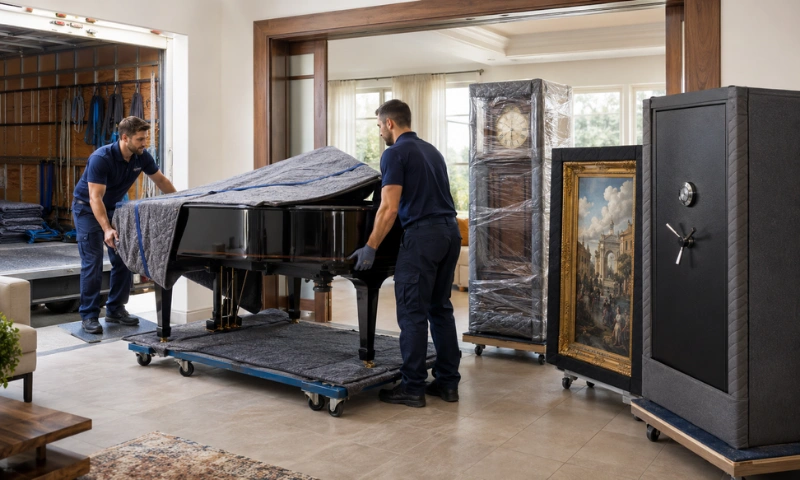
Some belongings are more difficult to move than standard household furniture. Pianos, antiques, artwork, large appliances, pool tables, chandeliers and oversized furniture may require extra protection, specialised equipment and careful handling.
Knowing which items need specialist moving services can help you plan ahead and avoid damage, delays or unnecessary risk. In this guide, we’ll look at the common items that may need specialist handling and what makes them more challenging to move.
What Are Specialist Moving Services?
Specialist moving services are designed for belongings that need more care, planning or equipment than a standard household move. These items may be heavy, oversized, fragile, valuable or difficult to handle, making them unsuitable for ordinary moving methods.
Specialist movers assess the item and its moving route before deciding how it should be packed, lifted, transported and placed. Depending on the item, this may involve protective wrapping, specialised moving equipment, disassembly and reassembly, or custom packing solutions.
The goal is to reduce the risk of damage to the item, property or people while making the moving process more controlled and efficient. This is particularly important when moving items such as pianos, antiques, artwork, pool tables, large appliances and oversized furniture.
What Items Require Specialist Moving?

Some belongings need more than standard moving equipment because they may be heavy, fragile, valuable or difficult to handle. Identifying these items before moving day helps movers choose the right packing method, equipment and handling approach.
Pianos and Musical Instruments
Heavy and delicate: Pianos can weigh hundreds of kilograms and contain sensitive internal components. Their size can also make stairs, narrow doorways and tight corners difficult to navigate.
Other large or delicate musical instruments may also require additional protection during transportation.
Antiques and Artwork
Protection is the priority: Antiques, paintings, sculptures and other valuable pieces can have delicate surfaces, frames or finishes.
They may need special wrapping, cushioning or custom crates to reduce the risk of scratches, cracks and impact damage.
Large and Heavy Furniture
Size and access can be the challenge: Oversized wardrobes, solid-wood tables, large sectionals and display cabinets can be difficult to move through narrow spaces.
Specialist movers may use dollies, lifting straps and other equipment while planning the safest route through the property.
Large Appliances and Electronics
Heavy does not always mean simple: Refrigerators, washing machines, dryers, large televisions and other equipment can be difficult to lift and manoeuvre.
Proper preparation and suitable protective materials and moving equipment can help prevent damage to both the item and surrounding floors or walls.
Pool Tables
Weight, size and construction matter: Pool tables are large and heavy, and some models require disassembly before transportation.
Moving them safely may require specialised equipment and careful reassembly at the destination.
Other Oversized or Fragile Items
Some belongings do not fit into a specific category but may still require specialist handling. Consider an item for specialist moving if it is:
- Unusually heavy or oversized
- Fragile or valuable
- Difficult to grip or carry
- Requires disassembly
- Moving through stairs or tight spaces
Mention these items when requesting a moving quote so the movers can plan the appropriate handling method in advance.
Why Do These Items Need Specialist Handling?
Specialty items can be more difficult to move than standard household belongings because they often require extra protection, specialised equipment and careful planning. The main concern is not simply getting the item from one place to another, but moving it without causing damage to the item or surrounding property.
- Weight and size: Heavy or oversized items can be difficult to lift, balance and manoeuvre safely.
- Fragile materials: Glass, artwork, electronics and delicate finishes can be easily scratched, cracked or damaged by impact.
- Unusual shapes: Awkwardly shaped furniture and equipment may be difficult to carry through doorways, hallways and tight corners.
- Difficult access: Stairs, narrow entrances, elevators and restricted loading areas can make handling more complicated.
- Special packing requirements: Some items need additional padding, cushioning, wrapping or custom crates for protection.
- Disassembly and reassembly: Large or complex items may need certain parts removed before moving and carefully reassembled at the destination.
Because of these factors, specialist moving should be planned around the item, its condition and the route it needs to travel, rather than treating every belonging like a standard household item.
How to Prepare Specialty Items Before Moving

Proper preparation can make specialty items easier and safer to handle. Start preparing early so there is enough time to identify potential problems and choose the right protection for each item.
1. Create an Item List
Make a list of items that may need specialist handling. Include their type, approximate size, condition and location so the moving team knows what to expect.
2. Measure the Item and Moving Route
Measure large or unusual items and check the full route through doorways, hallways, stairs, elevators and loading areas. This helps identify access problems before moving day.
3. Check Existing Damage
Take clear photos of valuable or delicate items before packing. Note any scratches, cracks, loose parts or existing damage so their condition is documented before the move.
4. Choose Suitable Packing Materials
Use protection based on the item’s material and shape. Depending on the item, this may include moving blankets, bubble wrap, foam padding, corner protection or sturdy boxes and crates.
5. Secure Removable Parts
If an item has detachable legs, shelves, panels or other components, secure or remove them where appropriate. Keep all hardware together and label it clearly to make reassembly easier.
What Specialist Movers Do Differently
Specialist movers use a more planned approach when handling large, fragile or valuable belongings. Instead of relying on standard moving methods, they consider the item, packing requirements, equipment and moving route before the move begins.
- Detailed planning: Movers assess the item’s size, condition and access route to determine the safest way to handle it.
- Specialised equipment: Tools such as dollies, moving straps, ramps, lifting equipment and protective padding can make heavy or awkward items easier to control.
- Item-specific packing: Fragile or valuable belongings may need extra cushioning, reinforced boxes or custom crates based on their shape and material.
- Careful handling: Trained movers use controlled lifting and carrying techniques to reduce the risk of drops, scratches or impact damage.
- Secure transportation: Items are positioned and secured inside the moving vehicle to reduce shifting during transit.
- Careful placement: At the destination, specialty items can be moved into position carefully rather than simply being unloaded and left at the entrance.
Common Mistakes to Avoid
Specialty items can be expensive or difficult to replace, so small mistakes can lead to damage, delays or extra costs. Avoid these common problems:
- Trying to move heavy items alone: Large or awkward belongings can be difficult to control without enough people and proper equipment.
- Using the wrong packing materials: Standard boxes or thin wrapping may not provide enough protection for fragile or valuable items.
- Skipping measurements: Failing to measure the item and route can create problems at doorways, stairs, elevators or tight corners.
- Ignoring existing damage: Take photos and record the condition of valuable items before packing them.
- Forgetting removable parts: Keep screws, fittings and detached components together and clearly labelled.
- Not securing items for transport: Specialty items should be positioned and secured properly to reduce movement during transit.
- Waiting until moving day: Tell your movers about oversized, fragile or unusual items in advance so they can prepare the right equipment and handling plan.
When Should You Hire Specialist Movers?
Professional specialist movers can be a better option when an item is heavy, fragile, valuable or difficult to access. Their experience and equipment can help reduce the risk of damage and make the moving process more controlled.
Consider hiring specialist movers when:
- The item is very heavy or oversized: Large furniture, pool tables and similar items can be difficult to lift safely.
- The item is fragile or valuable: Artwork, antiques, glass items and delicate electronics may need additional protection.
- The access is difficult: Stairs, narrow hallways, tight corners or restricted entrances can make moving more challenging.
- Special equipment is required: Some items may need dollies, straps, ramps, lifting equipment or custom protective materials.
- Disassembly is necessary: Large or complex items may need careful disassembly and reassembly.
- You do not have the right experience or manpower: Professional movers can handle difficult items using appropriate techniques and equipment.
Frequently Asked Questions
What items are considered specialty items?
Specialty items are belongings that need extra care because they are heavy, oversized, fragile, valuable or difficult to handle. Examples include pianos, antiques, artwork, pool tables, large appliances and unusual furniture.
Do specialty items need special packing?
Not every item needs the same packing method. Fragile and valuable belongings may require extra padding, cushioning, reinforced boxes or custom crates depending on their size, material and condition.
Can specialist movers handle large and fragile furniture?
Yes. Specialist movers can use suitable equipment and handling techniques for large or fragile furniture. It is best to provide item dimensions and access details before moving day.
Can specialist movers handle stairs?
Yes, depending on the item and the moving route. Stairs, narrow landings and tight turns should be discussed in advance so the movers can plan the appropriate equipment and handling method.
When should I hire specialist movers?
Consider specialist movers when an item is heavy, fragile, valuable, oversized or difficult to access, or when you do not have the equipment or experience to move it safely.
Conclusion
Specialty items require more than standard moving methods because they may be heavy, fragile, valuable or difficult to handle. From pianos and antiques to large furniture, appliances and artwork, proper preparation, suitable packing and careful handling can help reduce the risk of damage during a move.
If you have items that require extra care, working with experienced Specialty Item Moving Services can make the process safer and more organised. If you are unsure how your items should be handled, Contact Us to discuss your moving requirements and find the right solution.