


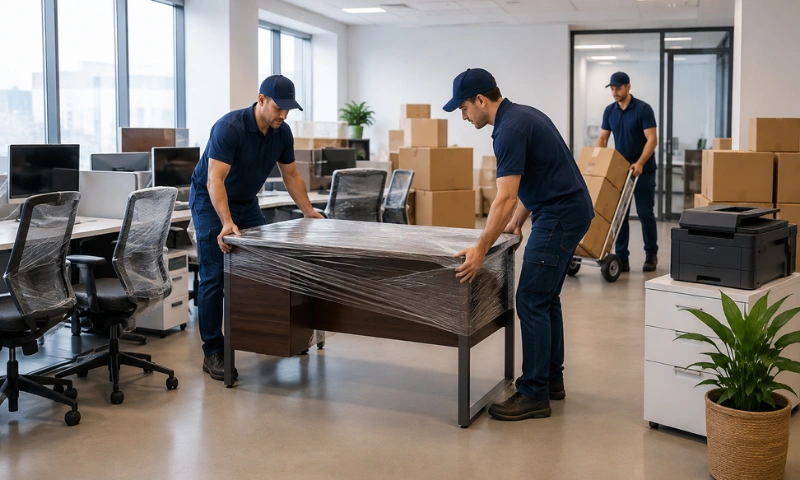
Moving office furniture and equipment safely requires more than simply loading everything into a moving vehicle. Large desks, workstations, filing cabinets, computers, monitors and other office equipment all require careful preparation and handling to reduce the risk of damage.
Whether you are planning the move yourself or working with Office Movers Auckland, having a clear plan can make the relocation more organised and efficient. From preparing furniture and protecting electronics to securing items for transportation, the right approach can help you move your office with fewer problems and less disruption.
Why Office Furniture and Equipment Require Special Planning
An office move often involves large furniture, fragile technology and important business documents that cannot be handled like ordinary household items. Desks, workstations, conference tables, filing cabinets and storage units can be heavy or difficult to move, while computers, monitors and printers need careful protection during handling and transportation.
Proper planning also helps prevent delays and unnecessary disruption to your business. Before moving day, consider the size and condition of your furniture, available access routes, equipment requirements and how files and cables will be organised. A clear plan makes it easier to protect your belongings and prepare the new office for a smooth setup.
How to Move Office Furniture and Equipment Safely

A successful office move starts with careful planning and preparation. Follow these steps to organise your furniture, protect equipment and documents, and make the relocation easier from start to finish.
1. Create an Office Furniture and Equipment Inventory
Start by making a complete list of everything that needs to be moved. This helps you understand the size of the move and identify items that may need additional care.
- List everything: Record desks, chairs, cabinets, electronics and other office equipment.
- Identify special items: Mark heavy, fragile, valuable or difficult-to-move belongings.
- Plan special handling: Note items that require disassembly, extra protection or specialised moving equipment.
2. Measure Your Office and Plan Access Routes
Checking the moving route in advance can help prevent problems with large furniture and equipment. Make sure each item has enough space to leave the current office and reach the new location.
- Measure large items: Check the dimensions of bulky desks, tables, cabinets and equipment.
- Check access points: Measure doorways, hallways, elevators and staircases.
- Plan the route: Choose a clear and practical path from the office to the moving vehicle and into the new workspace.
3. Prepare and Disassemble Office Furniture
Preparing furniture before moving can make large and awkward items easier to handle. Disassembly can also reduce the risk of scratches and damage during transportation.
- Disassemble where possible: Remove suitable legs, shelves, drawers and other detachable parts.
- Protect surfaces: Use moving blankets, furniture pads or suitable wrapping to prevent scratches and dents.
- Take photographs: Photograph furniture before disassembly to make reassembly easier.
- Label hardware: Keep screws, bolts and fittings together in clearly labelled bags.
4. Pack and Protect Office Electronics
Office electronics require extra care because impacts, pressure and poor packing can damage sensitive components. Prepare each device before placing it into a moving box.
- Use original packaging: Use manufacturer boxes whenever available for better protection.
- Label cables: Mark cables before disconnecting them so they can be reconnected correctly.
- Protect screens: Add suitable cushioning around monitors and other delicate screens.
- Secure equipment: Place computers, printers and other electronics in sturdy, well-padded boxes.
5. Secure Office Files and Documents
Important business documents should remain organised and protected throughout the relocation. A clear filing system can also make it easier to find documents after the move.
- Organise files: Group documents by department, project or category.
- Protect confidential information: Use secure containers for sensitive business records.
- Label boxes: Clearly identify each box so important files can be located quickly.
- Back up digital data: Protect important business information before moving computers and storage equipment.
6. Protect Heavy and Fragile Office Equipment
Large and delicate equipment can be difficult to handle without the right tools. Use suitable equipment and protection based on the item’s size, weight and condition.
- Use moving equipment: Furniture dollies, hand trucks and lifting straps can make heavy items easier to handle.
- Add extra protection: Use appropriate cushioning for glass, screens and delicate components.
- Secure moving parts: Prevent drawers, doors and detachable components from opening or shifting.
- Avoid dragging: Use suitable moving equipment instead of dragging furniture across floors.
7. Load Office Furniture and Equipment Carefully
How items are arranged inside the moving vehicle can affect their safety during transportation. Furniture and equipment should be positioned securely and protected from unnecessary movement.
- Position heavy items properly: Distribute weight evenly and keep large furniture stable.
- Protect surfaces: Place moving blankets or padding between furniture and other items.
- Secure the load: Use suitable straps to prevent furniture and equipment from shifting.
- Protect fragile items: Position delicate equipment carefully and keep it away from potential impact.
8. Organise Unpacking and Office Setup
The move is not complete when everything arrives. A planned setup helps you organise the new workspace and get essential areas operational sooner.
- Follow the floor plan: Place furniture according to the planned office layout.
- Set up essential workstations first: Prioritise the areas employees need to resume work.
- Reconnect equipment: Use labelled cables and your inventory to reconnect computers and other devices.
- Check everything: Confirm that furniture, equipment, files and accessories have arrived safely.
How to Protect Different Types of Office Furniture and Equipment
Different office items require different levels of protection during a move. From desks and filing cabinets to computers, monitors and important documents, using the right packing and protection methods can help reduce the risk of damage.
Office Item | Main Risk | Recommended Protection |
Desks & Workstations | Scratches and impact | Moving blankets and furniture pads |
Office Chairs | Loose or damaged parts | Secure and wrap components |
Filing Cabinets | Weight and shifting drawers | Empty and secure drawers |
Conference Tables | Surface or edge damage | Disassemble and add padding |
Shelving & Bookcases | Scratches and broken shelves | Remove shelves and wrap securely |
Computers & Laptops | Impact and component damage | Sturdy boxes and cushioning |
Monitors & Screens | Screen cracks or scratches | Protective wrap and padding |
Printers & Scanners | Loose internal components | Secure parts and use cushioning |
Important Files | Loss, damage or exposure | Secure, labelled containers |
Using the right protection for each item can make handling easier and help keep your office belongings organised throughout the relocation.
What to Avoid When Moving an Office

Even with careful planning, common mistakes can lead to damage, delays and unnecessary stress during an office relocation. Avoid these problems to keep the move organised:
- Skipping measurements: Check furniture dimensions and access points before moving large items.
- Dragging heavy furniture: Use suitable moving equipment to protect furniture and flooring.
- Losing hardware: Keep screws, bolts and fittings together in clearly labelled bags.
- Poorly protecting electronics: Use proper cushioning and secure packaging for computers, monitors and printers.
- Leaving cables unlabelled: Label cables before disconnecting equipment to make setup easier.
- Starting too late: Give yourself enough time to organise, pack and prepare before moving day.
When Should You Hire Professional Office Movers?
Hiring professional office movers can be especially useful when your relocation involves heavy furniture, fragile equipment or a large number of items. Experienced movers can handle difficult lifting, furniture disassembly, protective packing and transportation with the appropriate equipment.
Professional help may be worth considering if:
- You have heavy or oversized furniture: Large desks, conference tables and storage units can be difficult to move safely.
- Your office has fragile equipment: Computers, monitors, printers and other electronics need careful handling and protection.
- You have a large office relocation: A professional team can help manage a higher volume of furniture and equipment efficiently.
- Access is difficult: Multiple floors, narrow hallways, stairs or limited loading areas can make the move more challenging.
- Furniture needs disassembly: Movers can help with dismantling and reassembling suitable office furniture.
- You have limited time: Professional assistance can reduce the amount of packing and physical work your team needs to handle.
Frequently Asked Questions
How should I prepare office furniture for moving?
Start by creating an inventory and measuring large furniture against doorways, hallways and elevators. Disassemble suitable items, protect surfaces with appropriate padding and keep all hardware clearly labelled.
Should office furniture be disassembled before moving?
Large desks, workstations, shelving and conference tables can often be easier to move when separated into smaller components. Only disassemble items where appropriate, and keep screws, fittings and other parts organised for reassembly.
How do I protect office electronics during an office move?
Disconnect and label cables, use original packaging when available and add suitable cushioning around computers, monitors, printers and other sensitive equipment. Make sure devices are secured so they cannot move inside their boxes.
How should confidential office files be moved?
Organise documents by department or category and place sensitive records in secure, clearly labelled containers. Keep important files organised throughout the move and back up critical digital information before transporting equipment.
How do I move heavy office furniture safely?
Empty cabinets and storage units before moving them, disassemble suitable furniture and use equipment such as furniture dollies or hand trucks. Avoid dragging heavy furniture across floors and use enough people to maintain control of large items.
How early should I start preparing for an office move?
Start planning as early as possible, particularly for larger relocations. Creating an inventory, checking access routes, arranging packing materials and identifying furniture or equipment that needs special handling can make moving day much easier.
Conclusion
Moving office furniture and equipment safely requires more than simply loading everything into a vehicle. Creating an inventory, planning access routes, preparing furniture, protecting electronics and securing items for transportation can help reduce the risk of damage and make the relocation more organised.
If your office move involves heavy furniture, fragile equipment or a large number of items, professional support can make the process easier and reduce the physical workload on your team. For help with your relocation, Office Movers Auckland can assist with moving furniture and equipment safely and efficiently. You can also Contact Us to discuss your office moving requirements.